A broad overview can leave the decisive question unanswered. Subject: Business productivity and operations software.
Amelia B. Robinson is the editorial byline assigned to this area. Background, definitions and the interpretation of available information belong to this editorial remit. This is an editorial pen name used by the publication, not a claim of an independently verified personal identity.
A UK checklist for buyers moving from a fax machine to an online fax service: processor contract, security, storage location, retention, breach duties and exit.
An overview of how UK public bodies buy productivity software, covering CCS and G-Cloud routes, direct and partner purchases, supplier bidding and buyer checks.
Operations software buyers in Manchester and Leeds differ on integration, compliance and data needs, and a shared shortlist can work across both cities.
What UK teams must check when buying or selling software across the UK and EU after Brexit: ICO transfers, the UK addendum, VAT rules and contract clauses.
Software contract terms differ across England, Scotland and Northern Ireland in liability, termination and governing law, so buyers must check each clause.
UK retailers comparing inventory software need EPOS links, VAT ready records and warehouse fit. Here are five named options with public facts to check before a demo.
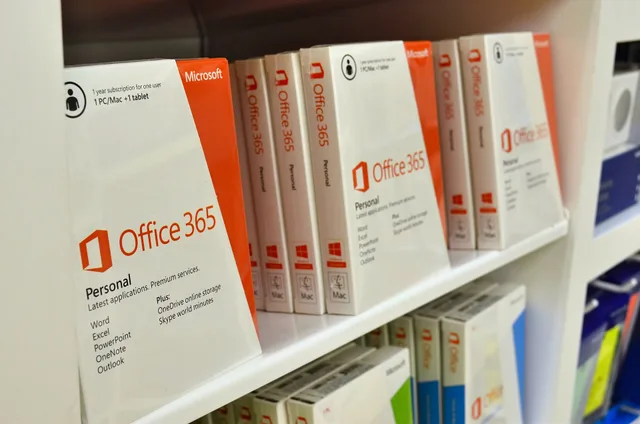
A head-to-head verdict on Microsoft 365 and Google Workspace for UK SMEs, with GBP list prices, UK data regions, residency exclusions and UK GDPR duties.
Map practical AI applications in productivity software, then set permissions, evidence and human checks before enabling actions in an English organisation.
Compare four ways to assess whether productivity software contributed to change, using consistent criteria for evidence strength, data, assumptions and cost.
Research productivity software benchmarks without false precision by testing definitions, populations, periods, geography, methods, uncertainty and sponsorship.
A research method for building business software buyer personas and profiles that record authority, decisions, evidence needs and participant protection.
Review seven contract areas before buying productivity software, including scope, implementation, data, security, changes, liability and a workable exit.
Research productivity software competitors through verified entities, product records, pricing units, buyer evidence and credible alternatives in England.
Use six observable demand signals to test an England productivity software idea, while keeping UK surveys, regulation and customer behaviour in context.
A business productivity software disclosure policy template for UK publishers, with claim-register fields, clear ad labels, review checks and corrections.
Run productivity software as a dependable service, with clear workflow ownership, quality controls, access routines, incident plans and useful measures.
Compare seat, active-user, workspace and tiered pricing models through dated first-party billing rules, common units and explicit research limitations.
Compare Microsoft Planner, Asana and Trello on one shared workflow, plus Jira, ClickUp and Smartsheet public facts on permissions, exceptions and export for UK teams
A business productivity software selection checklist and decision record: track an owner, evidence link, date and status on each line, plus four signed gates.
A business productivity software skills forecast, framed as a planning scenario for England, with four AI capability bundles and a workflow learning plan.
Use this business productivity software strategy framework to rank a drafted plan's riskiest assumptions, test weak evidence and choose what to verify next.
Implement productivity software through consultation, controlled configuration, reconciled migration, a bounded pilot, support readiness and a clear rollback route.
Business software teams choosing a form tool for internal operations data: the respondent access, export and privacy checks to run before the first invitation.