1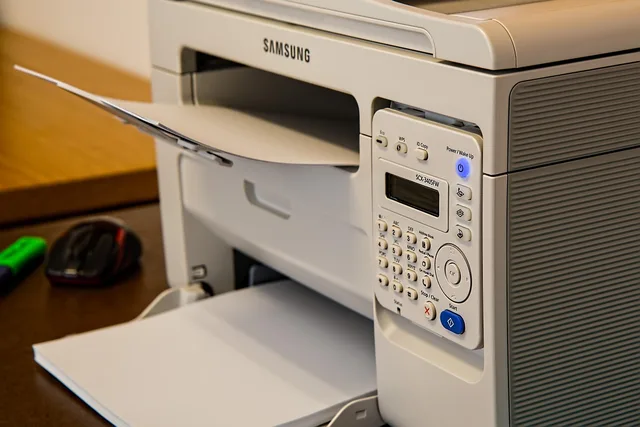 Rules and ethicsReplacing the fax machine with an online fax service: a UK vendor checklist
A UK checklist for buyers moving from a fax machine to an online fax service: processor contract, security, storage location, retention, breach duties and exit.
 Tools and providersMicrosoft Forms, SurveyMonkey or Typeform: licence baseline first, then plan caps, seats and Typeform prices
Microsoft Forms licensing as the baseline, then SurveyMonkey and Typeform plan names, response caps, seats, Typeform dollar prices and the £0.15 overage.
 Tools and providersPayroll software survey tools in England: Microsoft Forms and SurveyMonkey checked, with a pilot plan
What Microsoft Forms and SurveyMonkey publish for payroll software research in England: exports, limits and data duties, plus a pilot plan to settle the choice.
 Tools and providersUK procurement routes for productivity software suppliers
An overview of how UK public bodies buy productivity software, covering CCS and G-Cloud routes, direct and partner purchases, supplier bidding and buyer checks.
 ReviewsManchester e-commerce operations software compared with Leeds legal workflows
Operations software buyers in Manchester and Leeds differ on integration, compliance and data needs, and a shared shortlist can work across both cities.
 Rules and ethicsMaking Tax Digital and productivity software: what UK records must show
Productivity software must keep HMRC digital records for Making Tax Digital VAT and Income Tax, with clear audit trails and compatible software.
 Rules and ethicsHow UK GDPR and ICO rules shape productivity software retention
Productivity software must limit how long it keeps personal data, under ICO retention rules. Here is what UK operations teams need to build and buy.
 Rules and ethicsHow London operations software buyers handle FCA and ICO duties
Operations software in London must satisfy FCA Consumer Duty, operational resilience, SMCR and ICO lawful basis duties before you buy any tool.
 Rules and ethicsData transfers, VAT and contract terms for UK and EU cross-border software deals
What UK teams must check when buying or selling software across the UK and EU after Brexit: ICO transfers, the UK addendum, VAT rules and contract clauses.
 MeasurementA UK software budget template with VAT, Corporation Tax and timing
A software budget template for UK finance teams: VAT rates, Corporation Tax rates and payment timing, Marginal Relief, and ONS price indices with worked figures.
 Rules and ethics3 contract differences for software buyers in England, Scotland and Northern Ireland
Software contract terms differ across England, Scotland and Northern Ireland in liability, termination and governing law, so buyers must check each clause.
 OutlookA pilot plan for payroll research tools before any subscription
A pilot plan for payroll research tools: sample, question set, consent wording, stop rule, scoring table, and how Microsoft Forms, SurveyMonkey and Jisc compare.
 OutlookFranchise operations software: a forms and SOP stack
How franchise operations software connects branch feedback forms to a versioned SOP library: site codes, severity routing, audit trails and UK GDPR duties.
 Tools and providersCRM for UK sole traders: which is the simplest?
Compare simple CRM options for UK sole traders, naming Capsule, Less Annoying CRM, HubSpot, Zoho, Pipedrive and Streak, and pick the simplest for one person.
 Tools and providersGDPR compliant project management tools UK: which ones pass?
How to judge project management tools against UK GDPR, the Data Protection Act 2018 and ICO guidance on transfers, residency and processor terms.
 ReviewsInventory management software for UK retailers: 5 options compared on EPOS, VAT and warehouse needs
UK retailers comparing inventory software need EPOS links, VAT ready records and warehouse fit. Here are five named options with public facts to check before a demo.
 OperationsInvoice automation for UK small businesses: how to cut admin time
How UK small businesses can automate invoices, keep digital records for Making Tax Digital and cut the admin hours spent on VAT coding and chasing payment.
 Tools and providersMicrosoft 365 vs Google Workspace UK: which is better for SMEs?
A head-to-head verdict on Microsoft 365 and Google Workspace for UK SMEs, with GBP list prices, UK data regions, residency exclusions and UK GDPR duties.
 Tools and providersOpen source productivity software UK: a self-hosted guide
A UK guide to open source productivity software, covering Nextcloud hosting, self-hosted CRM options, UK GDPR duties and how to compare providers.
 Tools and providersAsana vs ClickUp for UK remote teams: pricing, data residency and sub-processors
Asana vs ClickUp for UK remote teams: real tiers, per-seat prices, named data regions, sub-processor lists and a feature-by-feature comparison.
 OperationsSOP software for UK franchises: how to standardise operations
How UK franchise networks standardise operations with SOP software: version control, pilot rollouts, site access and data protection duties, step by step.
 Tools and providersHow to choose time tracking software for UK freelancers
Choosing time tracking software as a UK freelancer: compare Toggl Track, Clockify, Harvest and FreeAgent for IR35, GBP billing, VAT, bank holidays, data protection.
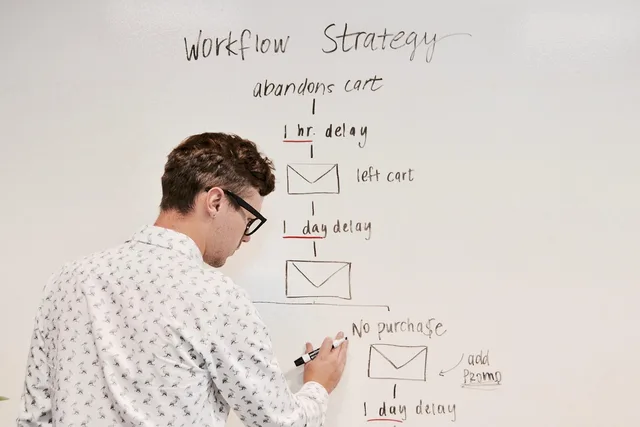 Tools and providersWorkflow automation tools for UK SMEs: how Zapier, Make and n8n charge
Compare Zapier, Make and n8n for UK SMEs on billing units, typical GBP entry tiers, Xero and Sage connectors and data protection before you commit.
 OutlookFive productivity software trends to monitor through September 2027
Five evidence-led productivity software trends to monitor through September 2027, with UK sources, limitations and practical review triggers.
 Rules and ethicsWhat an advert for productivity software must be able to prove
Check productivity software advertising for clear commercial intent, evidence, fair comparisons, accurate prices, testimonials and lawful outreach.
 ReviewsReading a productivity software agency record, with HSO as a worked dossier
Assess productivity software agencies through identity, scope, delivery and evidence checks, illustrated with a disclosed UK desk-research dossier.
 OutlookWhere AI fits in productivity software, and the gate to pass before it acts
Map practical AI applications in productivity software, then set permissions, evidence and human checks before enabling actions in an English organisation.
 MeasurementFour ways to tell whether productivity software actually changed anything
Compare four ways to assess whether productivity software contributed to change, using consistent criteria for evidence strength, data, assumptions and cost.
 Audience researchAudience research for productivity software, from recruitment frame to interviews without selling
Plan audience research for productivity software in England, from recruitment and interviews to surveys, privacy controls and evidence-led decisions.
 MeasurementA productivity benchmark is a reference class, not a target
Research productivity software benchmarks without false precision by testing definitions, populations, periods, geography, methods, uncertainty and sponsorship.
 ReviewsHow to ask five productivity software providers for comparable quotes
How to ask five business productivity software providers for comparable written quotations: price per user, term, VAT, renewal uplift and setup.
 Tools and providersFour task-management tools shortlisted from first-party records
A non-ranked shortlist of four productivity tools, based on first-party task-management records and a clear desk-research method for buyers in England.
 Costs and pricingA software budget template with units, tax, timing and an assumption sheet
Build a transparent software budget with units, quantities, tax, timing, evidence, owners and uncertainty across setup, operation, renewal and exit.
 FoundationsSubscription, managed or self-hosted productivity software over one worked year
Compare subscription, managed and self-hosted productivity software models on cost units, responsibility, implementation, security and exit terms.
 Audience researchA method for business software buyer personas that record authority, not personality
A research method for building business software buyer personas and profiles that record authority, decisions, evidence needs and participant protection.
 StrategyBusiness productivity software: choosing a direct, partner or framework route
Compare direct, partner and public-sector routes for productivity software using consistent evidence, legal checks and channel-specific limits.
 Rules and ethicsReading a productivity software contract, from the subscribed service to liability
Review seven contract areas before buying productivity software, including scope, implementation, data, security, changes, liability and a workable exit.
 FoundationsWhere the defensible productivity software opportunities are, from implementation to adoption
Find defensible productivity software opportunities in England through workflow depth, implementation support, assurance, integration and responsible adoption.
 Audience researchCompetitor research for productivity software that verifies the supplier behind each name
Research productivity software competitors through verified entities, product records, pricing units, buyer evidence and credible alternatives in England.
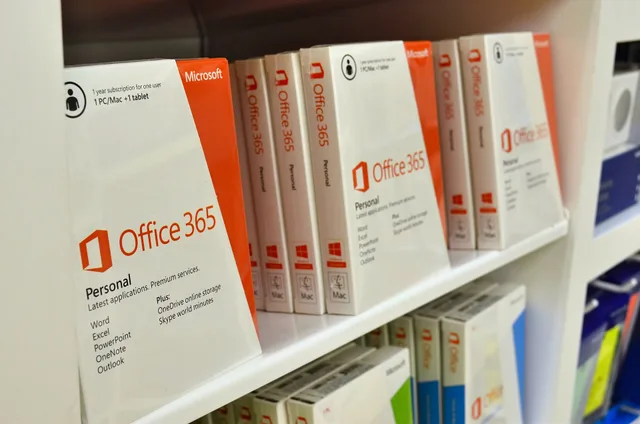 Costs and pricingThe full cost of productivity software across five stages, from investigation to exit
Map the full cost of productivity software across investigation, acquisition, change, operation and exit, with clear VAT and evidence assumptions.
 Costs and pricingBudgeting for productivity software means pricing the end at the beginning
Build a realistic productivity software budget for an England-based organisation, covering billing units, VAT, staff effort, risk, renewal and exit.
 Audience researchCustomer interviews: eight neutral questions on real productivity workflows
Use eight neutral interview questions to examine real productivity workflows, buying authority, adoption barriers and evidence needs in English firms.
 Rules and ethicsBusiness productivity software data protection by purpose
Business productivity software data protection by purpose: map lawful bases, controller roles, risk checks, contracts and UK GDPR duties for each use.
 FoundationsSix signs of real demand for a productivity software idea, and how to read them
Use six observable demand signals to test an England productivity software idea, while keeping UK surveys, regulation and customer behaviour in context.
 Rules and ethicsBusiness productivity software disclosure policy
A business productivity software disclosure policy template for UK publishers, with claim-register fields, clear ad labels, review checks and corrections.
 FoundationsAssessing England's productivity software market by the job, not the category
Assess England's business productivity software market through buyer workflows, reliable demand evidence, delivery models and procurement checks.
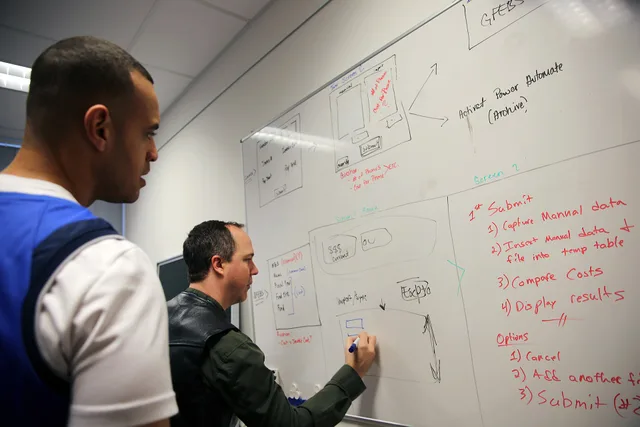 Costs and pricingPaid identities, seat bands and other productivity software costs that get missed
Seven commonly missed software cost areas, each tied to an authoritative billing, tax, security, consultation or exit record for England-based buyers.
 MeasurementSix productivity software measures, from qualifying demand to an outcome indicator
Define a compact set of productivity software measures for demand, delay, flow, quality, use and outcomes without inventing targets or causal claims.
 OperationsBusiness productivity software launch review: Planner checks
A desk-based business productivity software launch review of Microsoft Planner's public evidence and pre-pilot checks for England-based teams.
 FoundationsBusiness productivity software market entry checklist
Business productivity software market entry checklist for UK launch readiness: check buyers, data, trials, security and contracts.
 OutlookHow to read a business productivity software market outlook
Read a business productivity software market outlook from dated UK adoption, investment and policy signals — without inventing revenue forecasts.
 FoundationsTurning a broad business count into an auditable productivity software market range
Estimate England's addressable productivity software market without misusing broad business counts, mixed survey populations or unsupported revenue figures.
 MeasurementMeasure productivity software with a metric contract and a baseline you can revisit
Measure productivity software with defined flow, quality and outcome indicators, honest attribution, reproducible reporting and comparable evidence.
 MeasurementReading a productivity software report: six measurement mistakes to catch
Six measurement mistakes to catch when you read a business productivity software report, with the question to put to the analyst about each.
 StrategyThe first ninety days of a productivity software proposition, ending in a controlled pilot
Plan the first 90 days of a productivity software proposition through discovery, risk tests, a controlled pilot and a careful evidence-led review.
 OperationsBusiness productivity software operating workflow: trigger to finish
Design a business productivity software operating workflow: a clear trigger, controlled intake, limited states, exceptions, evidence and closure.
 OperationsRunning productivity software as a dependable service with an operating charter
Run productivity software as a dependable service, with clear workflow ownership, quality controls, access routines, incident plans and useful measures.
 StrategyA productivity software planning template with an assumption register and decision gates
Copy this productivity software planning template to record scope, evidence, dependencies, decision gates and ownership without inventing forecasts.
 Costs and pricingBusiness productivity software pricing models compared across four big tools
Compare seat, active-user, workspace and tiered pricing models through dated first-party billing rules, common units and explicit research limitations.
 ReviewsBusiness productivity software comparison: Planner, Asana and Trello on one shared workflow, with permissions, exceptions and export
Compare Microsoft Planner, Asana and Trello on one shared workflow, plus Jira, ClickUp and Smartsheet public facts on permissions, exceptions and export for UK teams
 OperationsA quality checklist for a productivity workflow before launch and after every material change
Check a productivity workflow before launch and after material changes, covering real tasks, access, data, integrations, exceptions, recovery and evidence.
 MeasurementGive the productivity dashboard one job and a metric dictionary
Build a decision-led productivity dashboard with versioned definitions, tested data, accessible charts, clear refresh dates, annotations and drill-down evidence.
 Costs and pricingSoftware return without turning time saved into fictional cash
Estimate software return without turning time saved into fictional cash: define the baseline, benefit route, ownership cost, uncertainty and review test.
 ReviewsHow to compare eight productivity software tools before reaching a verdict
A method for comparing eight named productivity tools, covering evidence types, a test script, admin and export checks and commercial questions before a verdict.
 OutlookFive productivity software risks to rehearse, from leaky connectors to trapped capability
Rehearse five productivity software risk scenarios with concrete triggers, controls and recovery actions for organisations operating in England.
 ReviewsBusiness productivity software selection checklist and record
A business productivity software selection checklist and decision record: track an owner, evidence link, date and status on each line, plus four signed gates.
 OperationsProductivity service standards that begin with user-critical moments
Define practical productivity service standards for intake, ownership, access, support, recovery and change without borrowing unsupported universal targets.
 OutlookBusiness productivity software skills forecast: a scenario
A business productivity software skills forecast, framed as a planning scenario for England, with four AI capability bundles and a workflow learning plan.
 Tools and providersSeparate gates from scores when selecting productivity software
Select productivity software with hard gates, weighted workflow tests and an evidence log that keeps supplier claims separate from buyer observations.
 StrategyA productivity software strategy that measures the current route before proposing a better one
Create a practical productivity software strategy for an English business, with evidence gates, channel choices, risk controls and a usable roadmap.
 StrategyBusiness Productivity Software Strategy Framework: 6 Assumption Checks
Use this business productivity software strategy framework to rank a drafted plan's riskiest assumptions, test weak evidence and choose what to verify next.
 Tools and providersBusiness productivity software supplier comparison: direct, reseller or partner
Compare direct vendors, resellers, managed providers and implementation partners using consistent responsibility, evidence, cost, support and exit tests.
 Audience researchMicrosoft Forms, Google Forms and Jisc Online Surveys for business research
Compare Microsoft Forms, Google Forms and Jisc Online Surveys for business research by question design, response access, export and governance.
 Audience researchA productivity software audience card: inclusion, exclusions, split test
How to write a productivity software audience card for England: a four-part inclusion statement, exclusions, a recent-use window and a split test.
 Tools and providersImplementing productivity software with consultation, a rehearsed migration and a rollback route
Implement productivity software through consultation, controlled configuration, reconciled migration, a bounded pilot, support readiness and a clear rollback route.
 Tools and providersName the work before the software when choosing productivity tools and suppliers
Choose productivity software and suppliers for an England-based organisation with a practical route through needs, evidence, trials, contracts and exit.
 Rules and ethicsWhich UK rule checks each business productivity software statement
Match a business productivity software claim, marketing email, customer type and security statement to the UK rule that checks each, from CAP Code to CMA207.
 Rules and ethicsBusiness productivity software rules and ethics in the UK
Map UK law, ICO duties, PECR, worker monitoring, transfers and ethical review for business productivity software rules and ethics before drafting policies.
 Tools and providersProportionate vendor due diligence for productivity software, identity to exit
A proportionate vendor due-diligence checklist for productivity software, covering identity, service scope, privacy, security, resilience, support and exit.
 Tools and providersBusiness software: checks before choosing a form tool
Business software teams choosing a form tool for internal operations data: the respondent access, export and privacy checks to run before the first invitation.